

Here in the USA, there are few drinks as beloved or refreshing on a hot summer day as iced tea. According to some estimates, iced tea makes up around 85% of all tea consumed in the United States!
But where did this drink come from? When, why, and how did we start enjoying tea with ice? Let’s explore the history of this delicious delicacy, from its inception and invention to modern-day iced tea consumption.

BREWS & BOOZE
While the Camellia sinensis plant arrived to the West in the 16th century, it took at least two centuries for tea to be served iced. One of the earliest recorded instances occurred in 1823 in Naples, Italy, where Countess Marguerite of Blessington wrote about drinking chilled tea.
By 1839, recipes for "tea punch" appeared in the United States. Unlike modern iced tea, these early versions were heavily sweetened, contained alcohol, and used green tea rather than black tea. Even non-alcoholic recipes from the late 1800s—such as an 1879 recipe from Housekeeping in Old Virginia calling for green tea, ice, sugar, and lemon—continued to favor green tea. This preference lasted until World War I, when disruptions in green tea exports led Americans to adopt the black teas traded by the British.
It is also worth noting that before the 20th century, ice, tea, and sugar were luxury status symbols reserved for the upper classes due to the intense labor required for their harvest and transport. Initially, the international ice trade relied entirely on natural ice harvested from frozen lakes and rivers. However, as demand grew and concerns arose about the safety and cleanliness of natural ice, artificial ice production emerged in the early 1900s, eventually replacing the natural ice industry as domestic refrigeration became standard.

FROM PUNCH TO PITCHERS
Although iced tea was invented long before the 1904 World’s Fair in St. Louis, that event served to popularize and commercialize the drink to Americans en masse. Due to the blazing summer heat, fairgoers completely ignored the hot drinks and went in search of any cold relief they could find, including iced tea.
A tea plantation owner named Richard Blechynden realized the sweltering weather made visitors unwilling to try his hot tea samples. Facing an empty booth, he and his team decided to pour the hot tea over ice from a neighboring vendor. The chilled alternative was an overnight hit, and visitors quickly spread the concept across the country.
By the early 1900s, iced tea was a staple in cookbooks. Due to its lower cost and availability, black tea began replacing green tea as the preferred choice for cold serving.
During Prohibition (1920–1933), Americans further relied on iced tea as a non-alcoholic alternative. Although it also became a refreshing way for speakeasies and bars to mask or serve hard liquor. The famous Long Island Iced Tea was invented during this era to disguise a potent mix of four different liquors as an innocent glass of iced tea.
The simultaneous introduction of the home refrigerator made it a household staple. Iced tea’s popularity also led to the invention of new tea serveware in the form of taller glasses and the “iced tea spoon”, which has an extra long handle for stirring sugar.
As refrigeration and ice became commonplace, iced tea grew into a favorite beverage for Americans of all backgrounds. This new availability made it possible for tea to be customized, and for generations of Americans to add their culture, flavor, stories and history to this ever evolving and very popular drink.

SWEET TEA, "THE NECTAR OF THE SOUTH"
Sweet tea became a Southern staple due to the region's sweltering climate, the historical luxury of its ingredients, and clever marketing. Its history closely mirrors the introduction of iced tea to the United States.
In the 1800s, ice shipped from Northern lakes and cane sugar were highly expensive. Serving sweetened iced tea was a way for hosts to display their wealth to guests. As commercial refrigeration and ice-making made these ingredients affordable, the ice-cold, sugary beverage became a refreshing antidote to humid Southern summers.
During Prohibition (1920–1933), iced tea surged in popularity nationwide as Americans sought legal alternatives to alcohol. The South embraced this trend and uniquely sweetened the beverage. By the 1920s and 1930s, sweet tea became so ubiquitous in the region that ordering "tea" meant receiving it sweetened. It eventually evolved into a symbol of hospitality and a staple paired with heavy, savory foods.

OUR LITTLE LIQUID SUNSHINE COLLECTION
Preparing iced tea is one of our favorite ways to enjoy our rainbow of summer tea offerings. Whether you prefer a simple glass of iced tea, a creative mocktail, or a base for honeyed boba beverages, the possibilities are endless!
Our favorite preparation method is a cold brew. This slow, low-temperature extraction prevents bitter tannins from leaching into the water, creating a smoother, more balanced, and naturally sweeter glass.
Our personal favorites for the height of summer include:
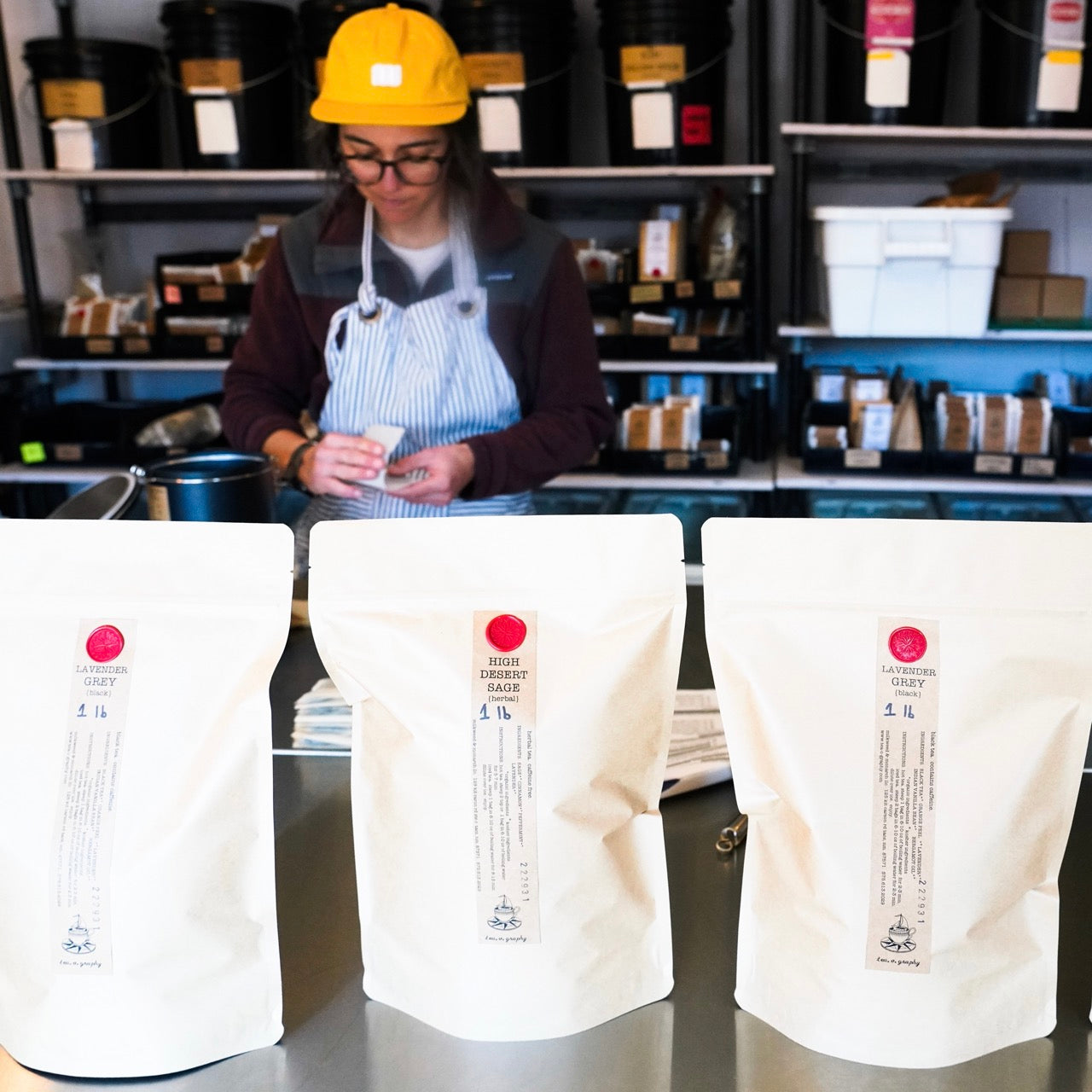
High Desert Sage
Fleurs de Provence
Georgia Peach
For most of our teas, you can use a ratio of 2 oz of tea to 1 gallon of cold water. Simply steep overnight in the refrigerator in our favorite glass iced tea jug or a fine mesh bag and strain off the tea leaves in the morning for a perfect cup of iced tea. Please note there are some exceptions to this rule, so some experimentation may be needed to find your perfect balance.
Iced tea is a celebration of invention and a map of different traditions colliding to create something new. We hope you find inspiration and joy in every cup!

Photos by Jackie Sayet