

“Double, double toil and trouble;
Fire burn and caldron bubble.
Fillet of a fenny snake,
In the caldron boil and bake;
Eye of newt and toe of frog,
Wool of bat and tongue of dog,
Adder's fork and blind-worm's sting,
Lizard's leg and howlet's wing,
For a charm of powerful trouble,
Like a hell-broth boil and bubble.”
-William Shakespeare
Most people are familiar with this eerie chant spoken by the “weird sisters” from William Shakespeare’s famous play Macbeth. These lines are filled with iconic imagery that gave birth to many modern day witch tropes. Afterall, what is more iconic this time of year than the image of three witches brewing terrifying potions in their dark cauldron?
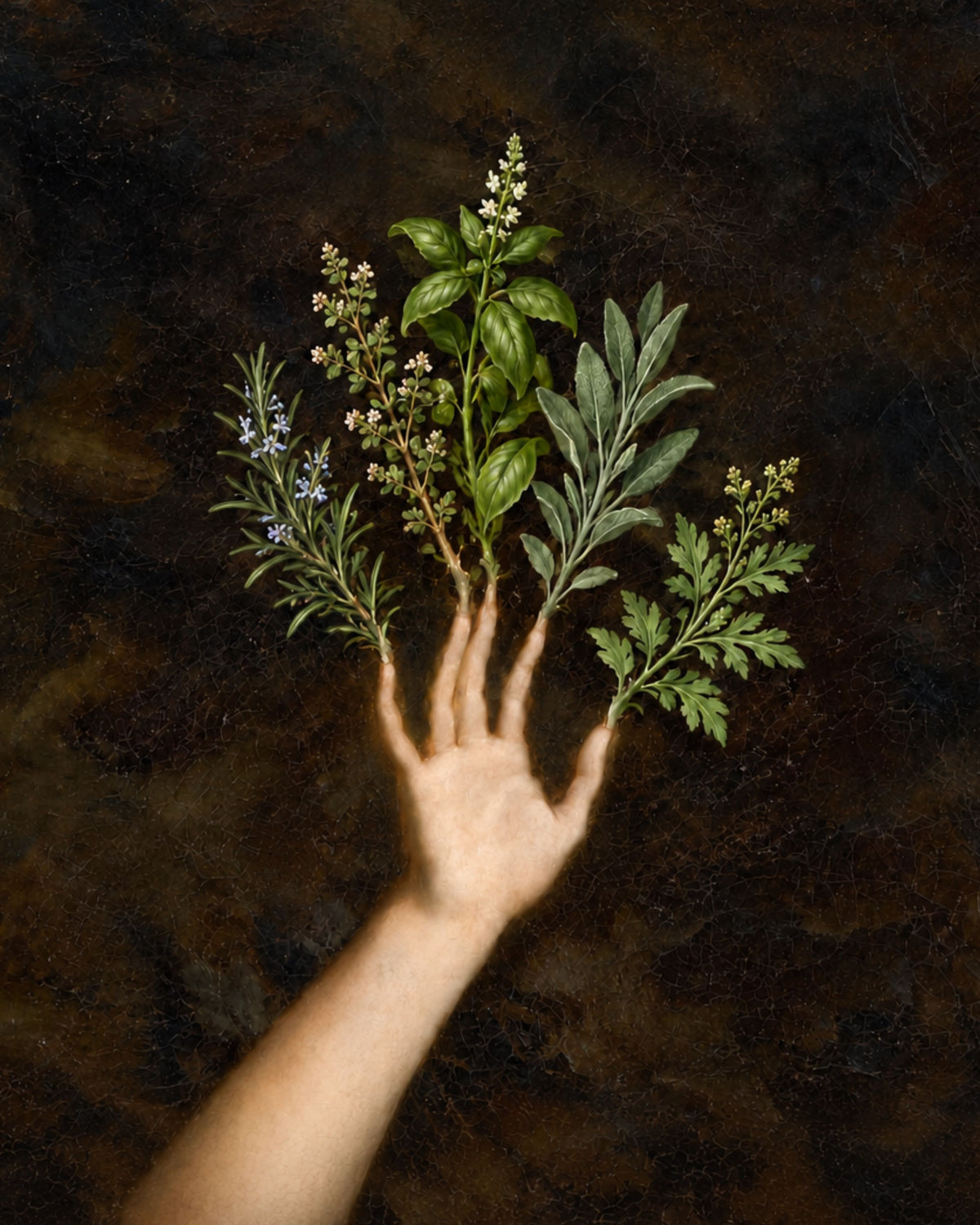
All those horrid and shocking ingredients allude to the most nefarious of purposes… but what you might be surprised to learn is that the potion is not as macabre as it appears on the surface. There are no actual eyes, wings or toes in this potion, but in fact common herbs you might find in your own kitchen! Within the spell spoken by Shakespeare’s “weird sisters” is a secret folk language used to identify plants and herbs. A different kind of magic all together!

HISTORY OF NAMING PLANTS
Long before the standardization of plant naming, communities had varying folk names to identify plants generally based on their appearance, symbolism, or their uses.
As such they would differ from region to region based on the local oral traditions. Though culturally rich, this meant these common names sometimes created confusion, as a single plant might have dozens of local names, or completely different plants might share the same name. Some theories suggest that this confusion helped keep the ingredients of folk remedies and traditional practices secret so they couldn't be easily replicated. However, this might not be the case as people would have known their local folk names for common plants as a standard naming system was not established until the mid-1700s.
Before modern scientific naming systems plants needed to be identified and remembered easily, because of this most plants were named after their visual attributes and the common things they resemble like animals or body parts. Some plants were given names that reflected their uses in medicine or cooking, while still others were named for their blooming time or poisonous nature.
Much like in Shakespeare’s play, some texts and folklore contain ingredients that sound scary today but may have actually referred to common herbs growing in fields, forests, and gardens. When a specific part of the plant was called for, it was usually referenced as a body part, things like the tongue, eyes, or leg of the plant. For instance, names like “dandelion” which is derived from the French dent de lion, literally translates to lion’s tooth to describe the plant’s jagged leaves. While a name like “sage” reflects its deep cultural association with wisdom and health. In some ancient cultures, like Greece, plant names often carried spiritual significance. Basil for instance comes from the Greek basileus meaning king, and was considered sacred. These naming devices helped inscribe cultural values and beliefs into the everyday language.
These common folk names served several purposes, with some being descriptive ways to help people identify plants, others carried a more symbolic meaning. Plant names are more than just simply labels; they are windows into the history, culture, science, and tradition of the world. Plant names tell stories about how humans interact with the natural world. Whether rooted in medicine, folklore, or science, the naming of plants connects us to centuries of herbal knowledge across cultures.
The names of plants would often reflect their traditional medicinal uses, with herbalists and apothecaries relying on descriptive names to remember a plant’s healing qualities. For instance, the plant “Eyebright” was so named because it was believed to improve vision, and the herb “feverfew” was named similarly for its perceived ability to reduce fevers.
By the 18th century, modern plant classification would begin thanks to Swedish botanist Carl Linnaeus. With each plant catalogued and given a genus as well as a species, this system helped remedy the confusion caused by the variety and regional differences of common plant names. Interestingly, while these new scientific names provided clarity and precision, the folk names never disappeared. Instead both systems coexisted alongside each other, one ensuring clarity and the other preserving cultural traditions.

WHAT PART OF THE PLANT ARE THEY EVEN TALKING ABOUT?
These are some examples of general commonalities across folk names.
-
Blood - The Sap or Juice
-
Eye - Seed or Inner Part of the Blossom
-
Foot, Leg, Paw, or Wing - Leaf
-
Guts - The Roots or Stalks
-
Hair - Stringy Roots, Stems, or Dried Herbs
-
Head - Seed Head or Flower
-
Heart - Bud or Seed
-
Tail - Stem
-
Tongue - Petal or Stigma (depending on plant)
-
Toe - Leaf or Bud
-
Privates - Seed Pod, Seed (reproductive parts of the plant)
-
Worm - Roots
-
Wool - Moss
As you can see, the body parts or animal parts used correspond with the look of the plant or the material being mentioned.
So how does that relate to Shakespeare?! Well, now that we have a cursory knowledge of what these old plant names might mean, let's decode the Weird Sister’s potion together!
Fillet of a Fenny Snake
Starting with the first ingredient mentioned, whose identity is hotly debated. It is possible that this ingredient is a reference to a member of the Arum family, which includes plants with nicknames such as snake’s meat, conjuring the image of a fillet. While others speculate that the plant snakeroot is more likely, based on the name.
Eye of Newt
Now the second ingredient on the list is quite generally agreed upon to be mustard seed. As the eye of the plant is commonly referencing a seed, and mustard seeds tend to have a dark yellow hue like those of newt eyes.
Toe of Frog
Many herbalists agree this frog toe is a reference to the bulbous buttercup. This yellow flower resembles most other buttercups but with a fatter, green, and bulbous stem making it a very likely contender.
Wool of Bat
The most commonly speculated identities of this ingredient are moss and holly leaves. Moss because of its association with wool and its tendency to grow in dark sunless places like bats. While holly trees and shrubs can be found all over the world and are referred to as bat wings because of the shape of their leaves.
Tongue of Dog
This ingredient is generally thought to refer to houndstongue, a highly toxic plant with long, hairy stalks and clumps of purplish flowers at the ends of the stems.
Adder’s Fork
This snaky ingredient refers to the dogtooth violet, also referred to as trout lily, is a small plant with purple and yellow flowers that is beloved of many pollinators!
Blind-worm’s Sting
This ingredient is the source of much speculation, it may be a reference to poppy seed or wormwood. Poppies are sometimes called “blind eyes,” and all poppies are poisonous, which would explain the “sting” element. On the other hand wormwood is a plant with white or green stems and yellow flowers. Besides its name which fits, wormwood has been known to be used in traditional medicines.
Lizard’s Leg
This ingredient is usually thought to refer to ivy. Ivy being the general name for plants that creep up walls or trees and grow long vines with green leaves, and a variety of flowers and berries.
Owlet’s Wing
This ingredient’s identity is less clear, but some speculate that it is referring to garlic or ginger plants. With this interpretation it is likely that the witches used the leaves or stalk.

Understanding plant names isn’t just about learning history, it’s about appreciating the living connection between language, culture, and the environment. Names reveal the innumerable ways humans have valued plants for food, healing, or symbolism. Engaging with plant lore and literature unlocks a hidden connection to the past. They remind us that every plant carries both a scientific value and a cultural story, including tea!
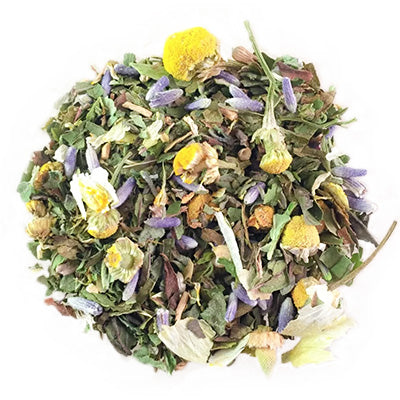
Happy spooky season from your friends at Tea.o.graphy! Your tea is a magical mix of plants and herbs transformed into a warm, comforting potion. May you find more magic in your next cup of tea!
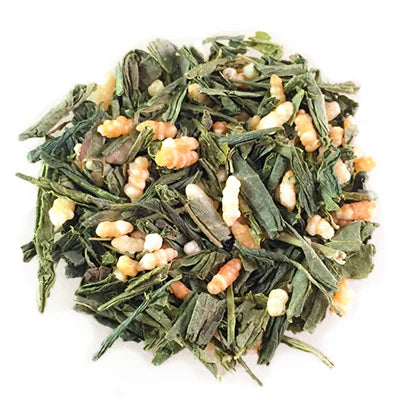
OUR MAGICAL RECOMMENDATION FOR THIS HALLOWEEN SEASON: BLACK MAGIC!

